Summary of Consulting Project Cooperation
When Sales Label Consulting engaged DevPulse team, they had zero outbound-sourced clients and no formal sales process. Over 4 months, DevPulse fully rebuilt their sales capability: hiring a data researcher, implementing outbound infrastructure, training their team in field & event selling, integrating a revamped CRM and process, and instilling sales-management discipline. The result: +3 new outbound clients, and a 10 % increase in revenue.
“Before Sales Label Consult, we had no outbound pipeline. Now we have clear understanding a framework and continue building a repeatable system! Big advantage the all sales team knows exactly how to work it.” – Vladyslav Tukhtarov, CEO DevPulse
The Challenge
DevPulse challenges before partnering with Sales Label Consulting:
- No outbound sales capability — all growth was inbound or referrals (and pipeline was flat).
- Lack of clarity in roles, responsibilities, and data on prospects.
- Absent or underused CRM; leads, follow-ups, and status tracking were ad hoc.
- No SDR function exists as a process in company
- The team lacked skills in prospecting, event/road-show selling, and managing a consistent sales cadence
- Leadership was reactive: no predictive forecasting, no pipeline hygiene, no repeatable motion
These gaps meant that growth was constrained and unpredictable.
Approach & Process
We structured our work in phases. Here’s how DevPulse tackled the transformation:
Phase 1: Discovery & Foundation (Weeks 1–4)
- Audit of any existing sales, lead, or marketing activities.
- Qualitative interviews: leadership, current customer base, desired ideal customer profile.
- Evaluate existing CRM and data hygiene.
- Define target ICP, verticals, geographies.
- Develop criteria for prospect qualification.
- Create copies for prospecting and outreach activities
- Teach how to perform with personalisation techniques, channels for prospecting activities
Phase 2: Infrastructure & Team Setup (Weeks 5–8)
- Hire a Data Researcher: onboard, onboarded with tooling (e.g. LinkedIn Sales Navigator, data enrichment tools).
- Build outbound infrastructure: email sequences, Instantly email automation, outreach cadences, tracking dashboards and warmup processes.
- Reconfigure CRM with tags, stages, lead statuses, tasks, follow-ups, alerts.
- Create templates and playbooks for outreach, meeting bookings, and objection handling.
- Design of SDR process with customised framework
Phase 3: Training & Execution (Weeks 9–16)
- Train the team in prospecting, cold outreach, event/road-shop selling, and conversion tactics
- Role-play scripts, objection handling, discovery calls
- Support during real outreach (live coaching, call shadowing, feedback).
- SDR training process for leads conversions
- Deploy events / road-shop visits with prepared pitch, lead capture, and follow-up processes.
- Weekly pipeline reviews, coaching with management, deal reviews, metrics tracking.
Phase 4: Iteration & Scaling (Weeks 17–20, overlapping)
- Review performance metrics: response rates, meetings booked, proposals, win rates.
- Identify bottlenecks and iterate messaging, targeting, meeting-to-proposal conversions.
- Fortify process rigor: enforce follow-up discipline, clean pipeline, forecast accuracy.
- Hand over documented playbooks, dashboards, and sales routines to the internal team for long-term use.
Results & Impact
| Metric |
Baseline |
After 4 Months |
Improvement |
| Number of outbound-sourced clients closed |
0 |
3 |
+3 clients |
| Incremental Revenue (monthly/quarterly) |
0 |
+10 % above baseline run rate |
+10 % |
| Meetings booked via outbound |
0 |
56 |
New pipeline created |
| Win rate on outbound proposals |
5% |
25 % |
20% |
| CRM utilization & pipeline hygiene |
0% |
100% adoption, regular reviews |
Process discipline established |
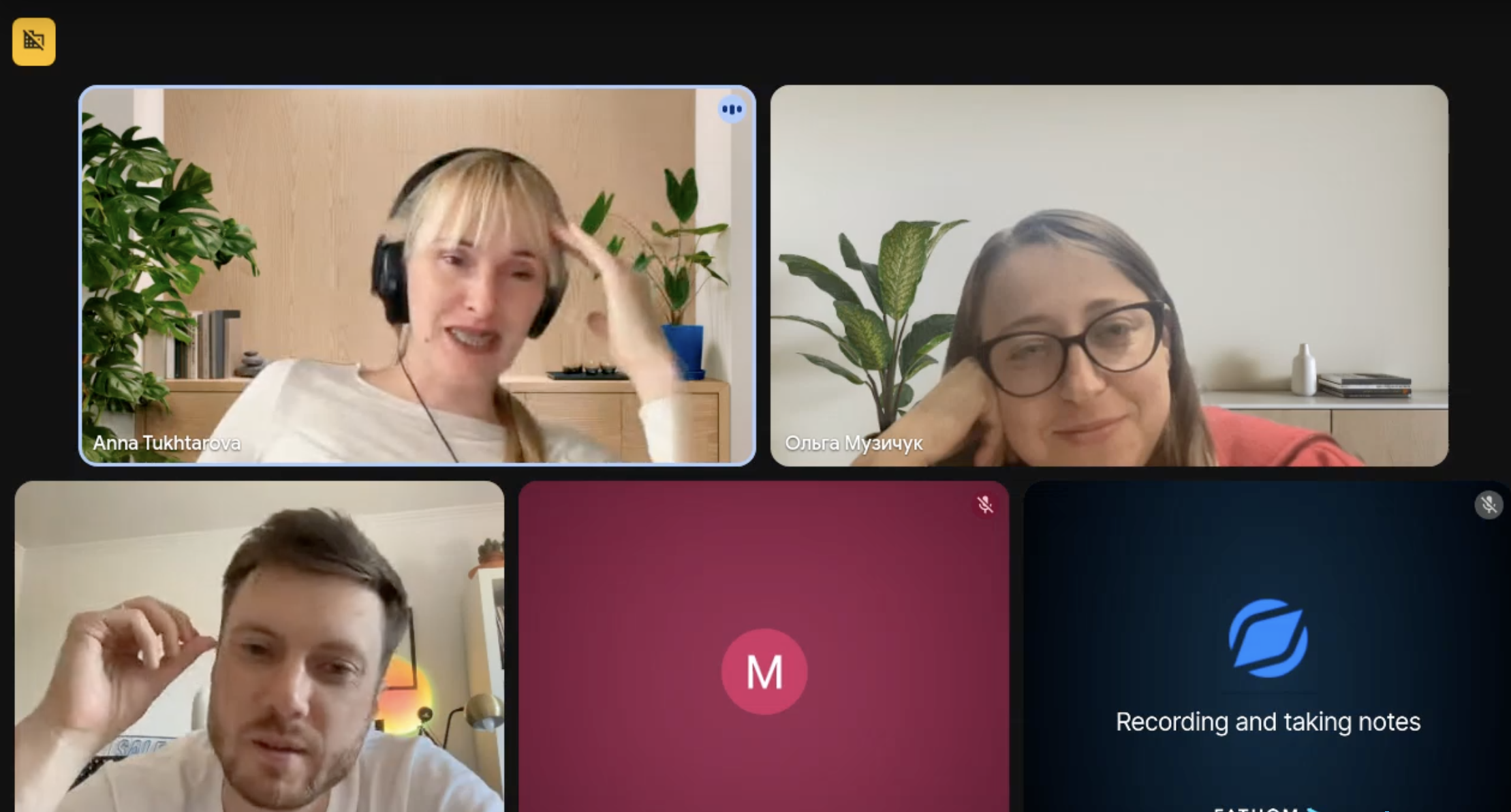
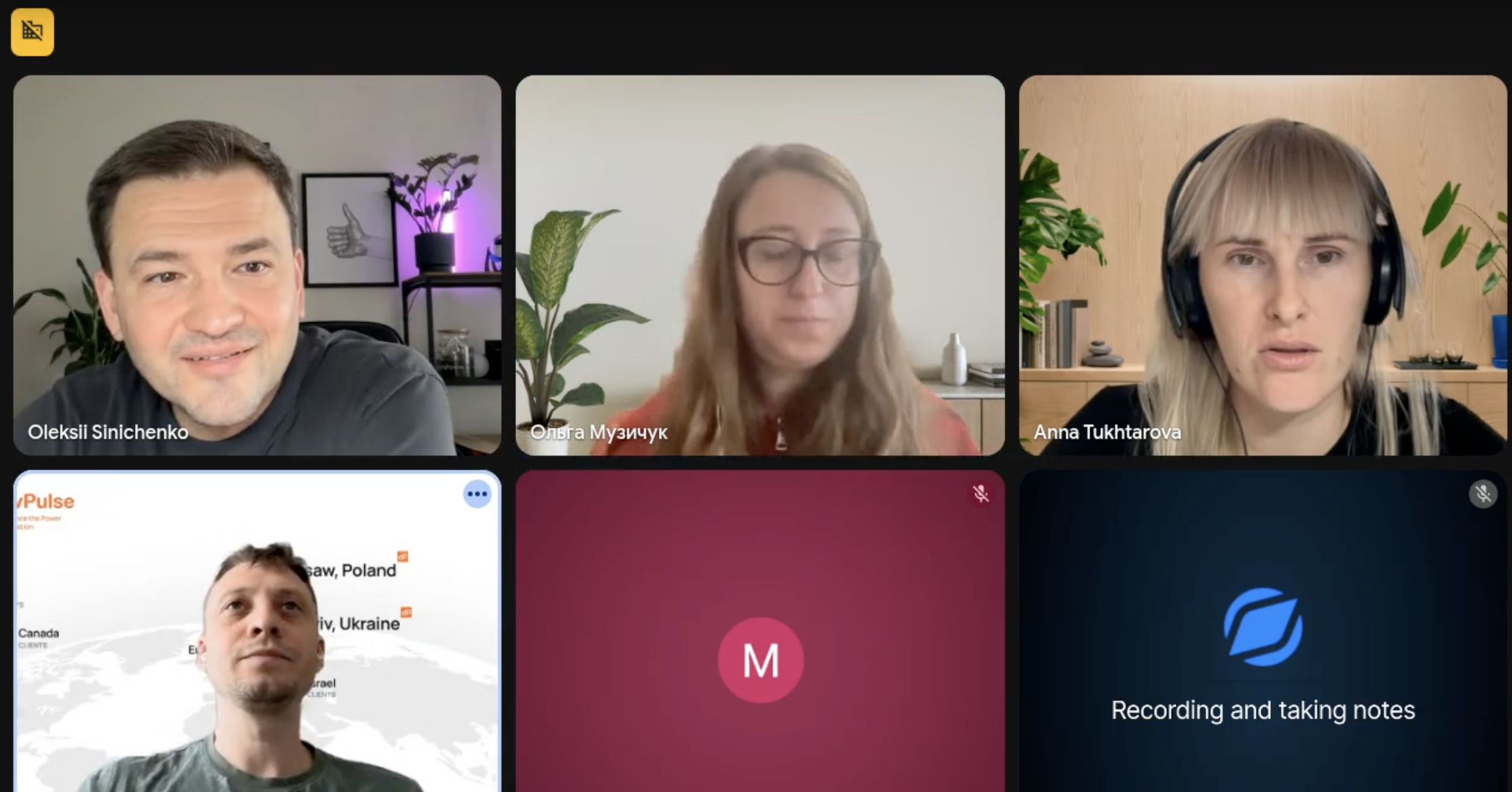
Key qualitative outcomes:
- The sales team gained confidence and clarity in prospecting and closing.
- Leadership moved from reactive to predictive sales oversight.
- DevPulse delivered a repeatable outbound motion that the company could scale further.
- The internal team now owns the process and metrics without external crutches.